
SELF-CUSTODY EDUCATION
Before buying a hardware wallet: five security questions
Storage security is separate from whether a crypto investment is a good decision. Hardware wallets can reduce some key-exposure risks, but they do not guarantee safety or prevent investment losses.
Understand the custody trade-off
A hardware wallet can keep signing keys off your everyday internet-connected device. But self-custody also means you are responsible for keeping your recovery information safe.
Protect the recovery phrase
Never type a recovery phrase into an email, web form or support chat; never share it with anyone. Keep backups private and recoverable, and follow the manufacturer's documented setup process.
Buy from a trustworthy source
Check the manufacturer's official website and guidance about genuine products, firmware verification and setup. Be cautious with second-hand devices and unsolicited recovery instructions.
Verify each transaction
Check the recipient address, network and details on the device display. A hardware wallet does not stop all scams, errors, malicious approvals or losses from asset price changes.
Review whether you need one
A hardware wallet is not automatically necessary for every user. Consider amount at risk, experience, accessibility, recovery responsibilities and whether a regulated custodian is more suitable.
Independent safety guidance
France's financial regulator explains practical precautions for holding cryptoassets, including the differences between hot wallets, hardware wallets and custodian services.
Read the AMF safety guidance ↗Compare hardware-wallet manufacturers
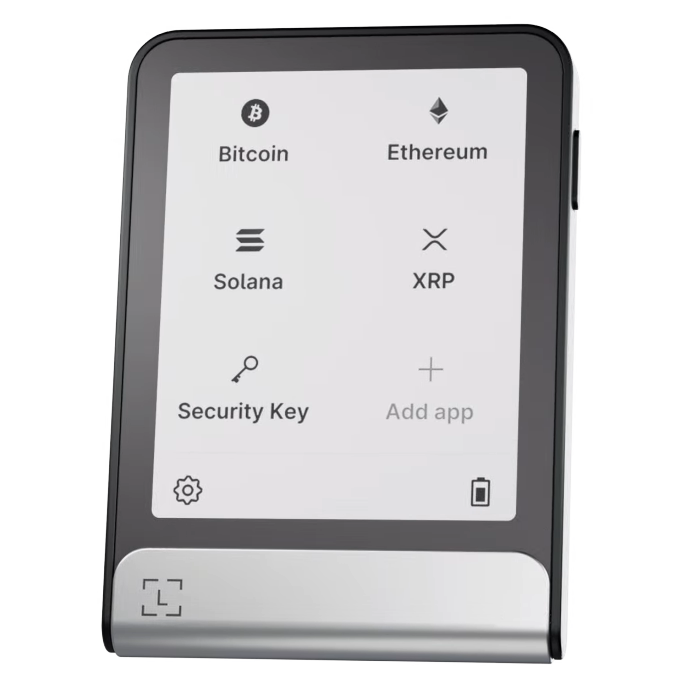
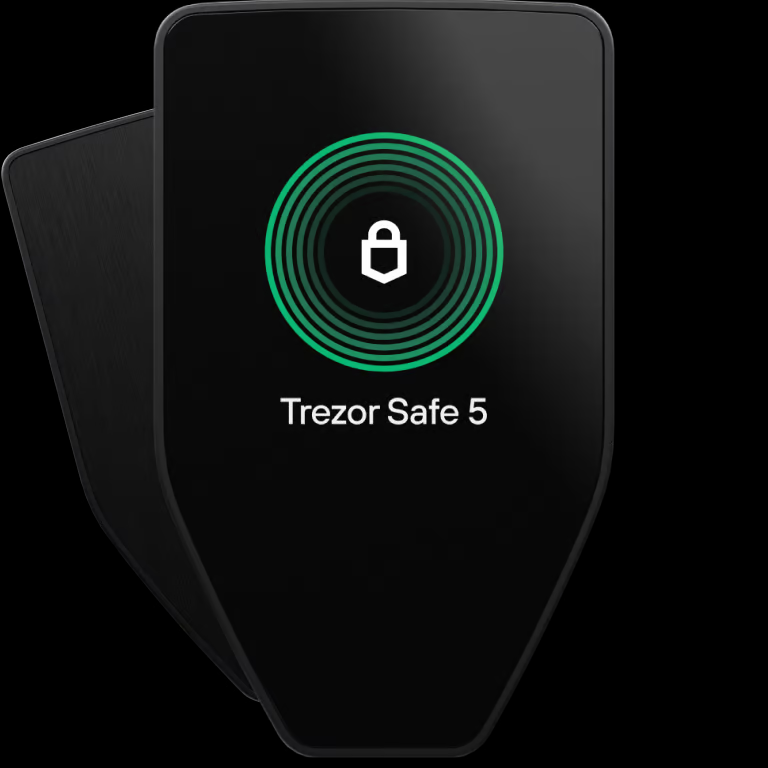
If a hardware wallet fits your needs, compare models, supported assets, recovery options and prices directly with each manufacturer. Links are labeled individually below. Where an affiliate link is identified, CoinReflect may earn a commission at no additional cost to you. The educational guidance and ordering do not depend on commissions.
Questions to ask before choosing a wallet
Does a hardware wallet protect against every crypto scam?
No. It can isolate signing keys, but cannot prevent malicious approvals, sending assets to the wrong address or sharing a recovery phrase with an attacker.
Should I compare devices by price alone?
No. Consider supported networks, transaction verification, backup and recovery methods, software compatibility and the manufacturer's security documentation.
Where should I buy if I decide to get one?
Start with the manufacturer's official website or a verified authorized seller. Avoid pre-initialized or suspiciously discounted devices, and follow official setup guidance.
Still deciding whether an asset fits your plan? Use the free Decision Check →
Educational information only; not security, investment or personal financial advice. Affiliate relationships are disclosed above; they do not imply manufacturer endorsement of CoinReflect.